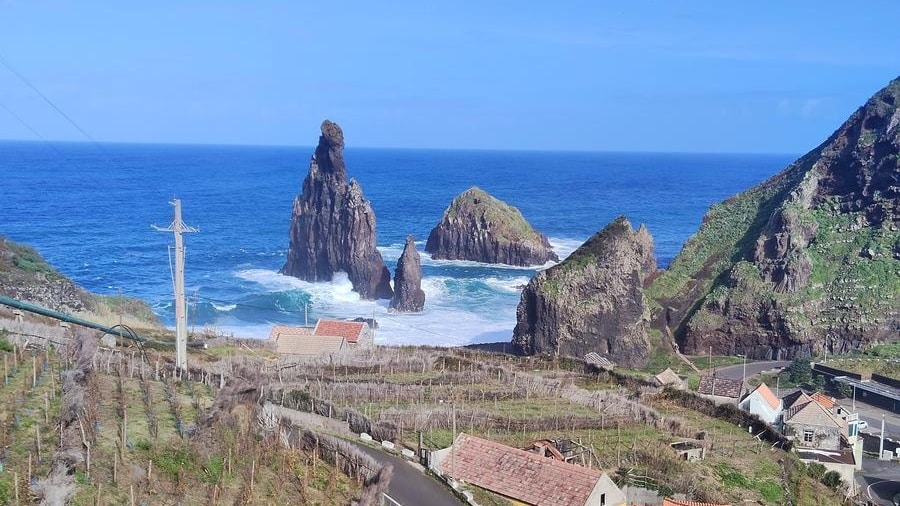
Ribeira da Janela Bridge
A quick overview of the topics covered in this article.
The Historic Ribeira da Janela Bridge
For over four centuries, crossing Madeira’s largest waterway was a treacherous endeavor. Today, the bridge that spans it is a testament to local perseverance and a fascinating piece of North Coast history.
A Perilous Crossing
-
Winter Dangers: Well into the 19th century, the raging winter waters of the Ribeira da Janela made crossing the river nearly impossible.
-
Makeshift Solutions: Locals were forced to rely on precarious, makeshift wooden planks. Tragically, the strong currents would occasionally sweep away those attempting the journey.
The Demand for Safety
By 1862, the situation had become dire, and the local population urgently petitioned for a safe crossing. The county administrator launched a public fundraising campaign, appealing to the civil government with stark descriptions of the reality locals faced:
-
He highlighted the frequent tragedies occurring as residents traveled back and forth between the parishes of Ribeira da Janela and Porto Moniz.
-
He emphasized that the river was not only fast and voluminous but dangerously wide, leaving winter travelers entirely without rescue if they slipped into the freezing waters.
-
To expedite this urgent public works project, residents were encouraged to donate funds or materials to supplement the state’s budget.
A Triumphant Milestone: The 1891 Metal Bridge
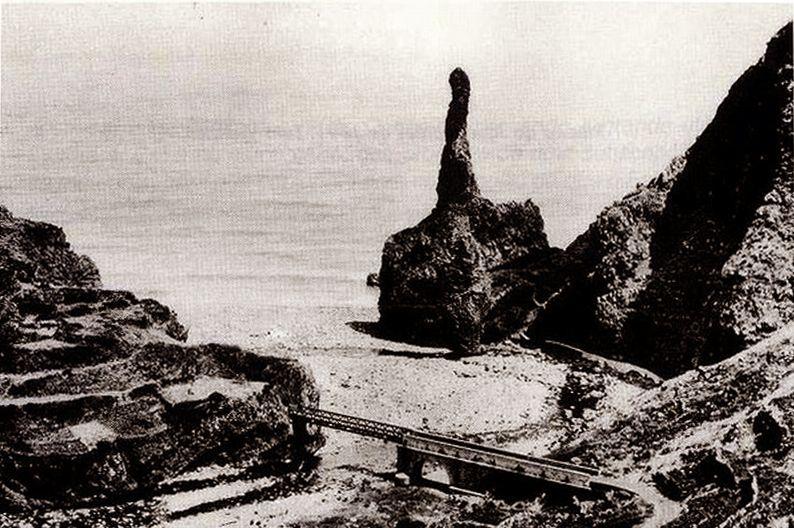
After decades of desperate demands dating back to 1848, a metal bridge was finally erected in December 1891.
-
A Historic Inauguration: The opening was a monumental event. Over 600 people traveled from across the region, finding vantage points on the pebble beach and surrounding rocky peaks just to witness the momentous occasion.
-
The Design: Engineered by Aníbal and Adriano Trigo, the bridge was constructed by a French engineering company, marking the first structure of its kind capable of taming the powerful river.
The Modern Stone Bridge
In 1956, the original metal structure was replaced by the robust stone bridge that stands today. Built entirely of solid masonry, it was designed to withstand the weight of heavy modern traffic. Rooted in a deep history of community resilience, it remains one of the most structurally impressive and beautiful bridges on the island of Madeira.

Share this content with your friends >>
Related attractions you might like